
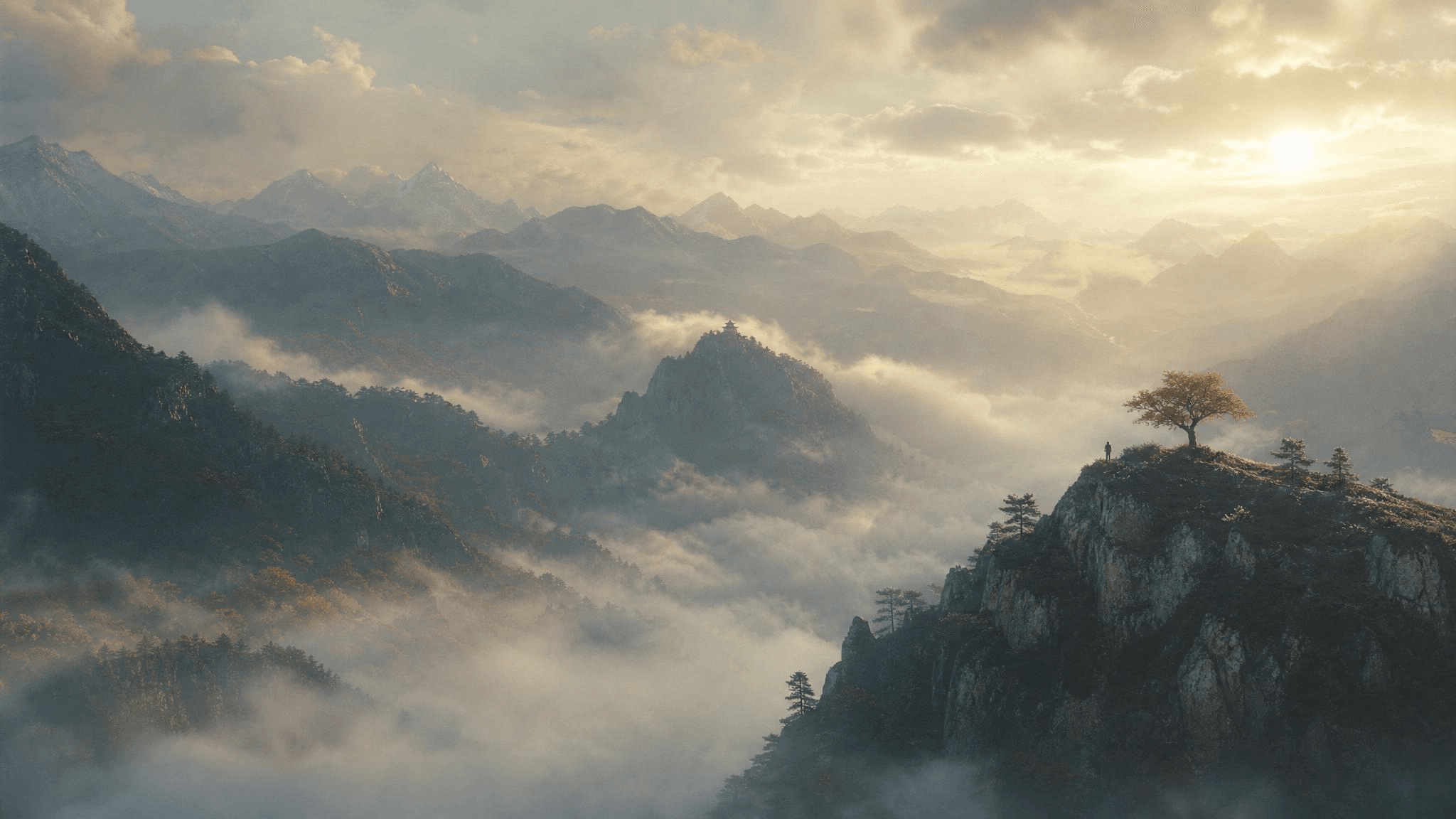
AI Video Finally Got Beautiful
Luma Ray2 is not the fastest. It does not have the most features. But it creates something the other video generators forgot: beauty.
Luma released Ray2 in June 2025.
It is not the fastest. It does not have the most features. It does not generate audio or handle the longest durations or offer the most control.
But it creates something the other video generators forgot to prioritize.
Beauty.
What Beauty Means in AI Video
For the past year, AI video has been an arms race of specifications. Longer durations. Higher resolutions. More camera controls. Better motion consistency. The tools have improved dramatically on every technical metric.
They have not improved much on aesthetics.
Most AI video looks like AI video. You can spot it immediately. The motion is too smooth. The lighting is too even. The textures are too clean. Everything looks slightly synthetic, like reality viewed through a plastic filter.
This is not a complaint about quality. The technical achievement is remarkable. It is a complaint about taste. The tools are optimized for fidelity instead of feeling. They reproduce reality without understanding what makes reality compelling.
Luma Ray2 takes a different approach. It prioritizes aesthetic coherence over technical perfection. It generates footage that feels photographed rather than rendered. It creates images you want to look at instead of images you want to analyze.
How Ray2 Actually Works
Ray2 handles both text-to-video and image-to-video generation. The image-to-video capability is where it shines. You upload a still image, describe the motion you want, and Ray2 animates it with natural fluidity.
The motion is the key difference. Other tools generate movement that is technically correct but visually boring. Objects move from point A to point B. The camera tracks smoothly. Everything follows predictable paths.
Ray2 generates motion that feels organic. Mist drifts instead of slides. Water ripples with irregular patterns. Hair moves like hair, not like physics simulations. The imperfections are what make it feel real.
The Modify Video and Reframe tools let you adjust without starting over. You can extend a clip, change the framing, or alter the motion without generating an entirely new video. This iterative approach fits how creators actually work.
The Boards feature lets you collect reference images, organize visual ideas, and build mood boards before generating. It is a small feature that signals a big philosophy. Ray2 is built for creative exploration, not just production.
The Competitive Landscape
Runway still leads on director-style control. Their camera movements, motion brushes, and editing tools are unmatched for filmmakers who need precise control over every frame.
Google Veo integrates native audio generation, which Ray2 lacks. The ability to generate synchronized sound effects and ambient audio is a significant advantage for certain workflows.
Kling handles extended durations better than Ray2. If you need two minutes of coherent footage, Kling delivers where Ray2 struggles.
Midjourney just entered video with their V1 model in late June. Their aesthetic coherence is strong, but the motion capabilities are still limited.
Ray2 occupies a specific niche. It is for creators who prioritize visual beauty over technical features. Who want footage that feels artistic rather than engineered. Who care about the emotional impact of an image more than the specifications of its generation.
The Philosophy Difference
Most AI video tools feel like engineering demos. They show what is technically possible. They impress you with capability.
Ray2 feels like a creative tool. It shows what is aesthetically possible. It inspires you with possibility.
This distinction matters. Engineering demos get shared on Twitter. Creative tools get used in actual projects. Technical capabilities get attention. Aesthetic coherence gets adoption.
The interface reflects this philosophy. Ray2 does not demand technical expertise. You do not need to understand camera parameters or motion curves. You describe what you want in natural language. The tool interprets your intent and generates results.
Sometimes this means less control. You cannot specify exact camera movements or precise timing. But you get something better. You get footage that matches your creative vision instead of your technical specification.
Who This Is For
Ray2 is not for everyone. If you need precise control over every frame, Runway is better. If you need synchronized audio, Veo is better. If you need long durations, Kling is better.
But if you are a creator who thinks visually, who works from mood and feeling rather than specifications, Ray2 is the tool that finally speaks your language.
Music video directors who want ethereal visuals. Fashion photographers experimenting with motion. Artists exploring the boundary between still and moving image. Travel creators who want footage that evokes rather than documents.
For these creators, Ray2 is not just another option. It is the first AI video tool that actually fits how they work.
Tools this good do not stay quiet for long. Join The AI Sessions and see what is next before everyone else does. |
0 Comments
Join the conversation
Be the first to comment
Share your thoughts above.